Holiday closure notice: Closed 25th, 26th December & 01st January. No other closures.
FREE SHIPPING FOR ONLINE ORDERS OVER $350 *
Infection control remains one of the most critical responsibilities in any modern dental practice. In Australia, frameworks from organisations such as the National Health and Medical Research Council and the Australian Dental Association set clear expectations:
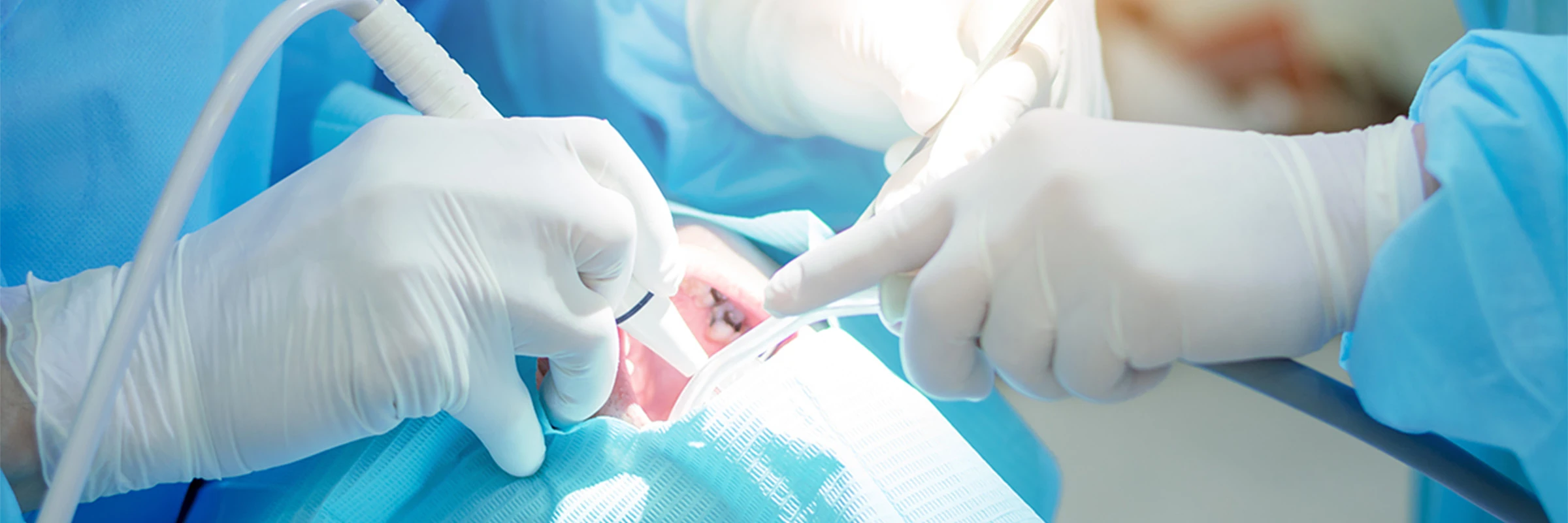
While these guidelines provide detailed protocols for sterilisation and instruments handling, they also highlight the growing reality that ensuring full compliance with reusable instruments is becoming increasingly more complex. As a result, many practices are re-evaluating their approach to instrument selection.
At the core of all infection control guidance are Standard Precautions. These include effective hand hygiene, appropriate use of personal protective equipment (PPE), safe handling and disposal of sharps, and the proper cleaning, disinfection and sterilisation of instruments. For reusable dental instruments, guidelines require a strict multi-step reprocessing workflow:
Each step must be completed correctly and consistently because even small deviations can compromise the entire process. In a busy clinical environment, maintaining this level of precision can be challenging.
An approach gaining attention is the use of single-use instruments. These eliminate several categories of risk associated with reprocessing. With reusable instruments, risks can arise from incomplete cleaning, sterilisation failures, handling or storage errors, and wear over time. Single-use instruments remove these variables, as each item is sterile, used once and then safely disposed of.
While reusable instruments may initially appear more cost-effective, it’s important to consider the broader picture. Reprocessing involves staff time, equipment, consumables, utilities, maintenance, compliance requirements and record-keeping, all of which contribute to the true cost.
At the same time, patient awareness of infection control has increased significantly. Practices are under greater pressure to demonstrate safety and transparency. The use of single-use instruments can provide a clear and reassuring message that every instrument used is sterile and has not been previously used, helping to strengthen patient-dentist trust.
As infection control standards continue to evolve, the focus is shifting from simply meeting minimum requirements to actively reducing risk wherever possible. For many practices, this raises an important question: where can compliance be simplified while improving safety?
Single-use instruments are increasingly being considered as part of that solution.